
Routine Health Checks
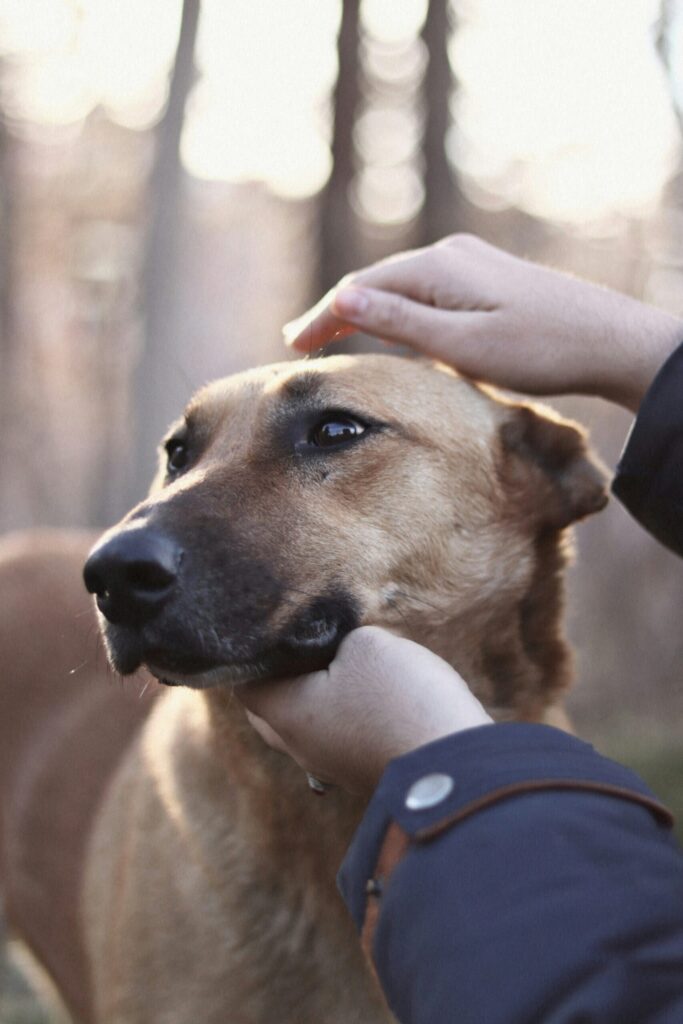
Your pet can’t tell you when something feels off, which is why routine health checks are one of the most important tools in keeping them healthy.
As pet owners, we want to believe we’ll always notice when something is wrong. But as we all know, life is busy and many health issues develop quietly, long before obvious symptoms appear. That’s why routine veterinary care combined with simple at home health checks play such an important role in catching problems early. Early detection isn’t just about saving money, it’s about protecting your pet’s comfort, wellbeing, and long term quality of life.
Why Routine Vet Care Matters
Routine veterinary visits are about far more than vaccines. Even when your pet appears healthy, these appointments allow your veterinarian to look for subtle changes that may signal early disease.
During a routine exam, your vet should:
- Listen for heart murmurs or abnormal rhythms
- Examine teeth and gums for early dental disease
- Check joints and muscles for pain or stiffness
- Feel for lumps, swelling, or changes in organ size
- Track weight trends that could point to illness
- Recommend bloodwork to identify issues before symptoms appear
Many conditions such as kidney disease, diabetes, thyroid disorders, and arthritis often progress silently. By establishing a consistent baseline through regular exams, your vet can spot even small changes early, when treatment is most effective.
Simple At Home Checks You Can Do (That your Pet Won’t Hate)
You don’t need medical training to monitor your pet’s health. In fact, you’re often the first to notice when something isn’t quite right because you know your pet’s normal behaviour best. A quick check once a week or month can make a meaningful difference.
Eyes, Ears, and Nose
- Eyes should be clear and bright, not cloudy or red
- Ears should be clean and free of strong odours
- Watch for discharge, squinting, head shaking, or frequent scratching
Mouth and Teeth
- Gums should be pink, not pale or inflamed/red
- Persistent bad breath can indicate dental disease
- Look for tartar buildup, broken teeth, or bleeding gums
Skin and Coat
- Gently run your hands over your pet to feel for new lumps or bumps
- Watch for hair loss, redness, scabs, or excessive itching
- Check regularly for fleas, ticks, or skin irritation
Weight, Appetite, and Energy
- Sudden weight gain or loss should always be addressed
- Changes in appetite, thirst, or bathroom habits can be early warning signs
- Decreased energy or interest in play may indicate discomfort or illness
Why Catching Issues Early Matters
When health problems are identified early, pets often benefit from:
- Simpler, less invasive treatments
- Better long term outcomes
- Lower overall veterinary costs
- Less pain and stress
A small lump discovered early may be easily managed. Dental disease caught in its early stages may only require routine cleaning rather than extractions. Addressing joint pain early can help maintain mobility and comfort for years to come.
Routine Care Is Part of Responsible Pet Ownership
Routine health checks both at home and at the veterinary clinic, aren’t about being overly cautious. They’re about being proactive and advocating for pets who can’t tell us when something feels wrong. If you ever notice a change and aren’t sure whether it’s serious, it’s always okay to ask your veterinarian. Sometimes reassurance is just as valuable as treatment. With consistency, awareness, and routine care, you can help your pet live a longer, healthier, and happier life.