
Big Pet Food Myths, Explained
Grain-free, by-products, raw diets, and other internet hot topics without fear-mongering
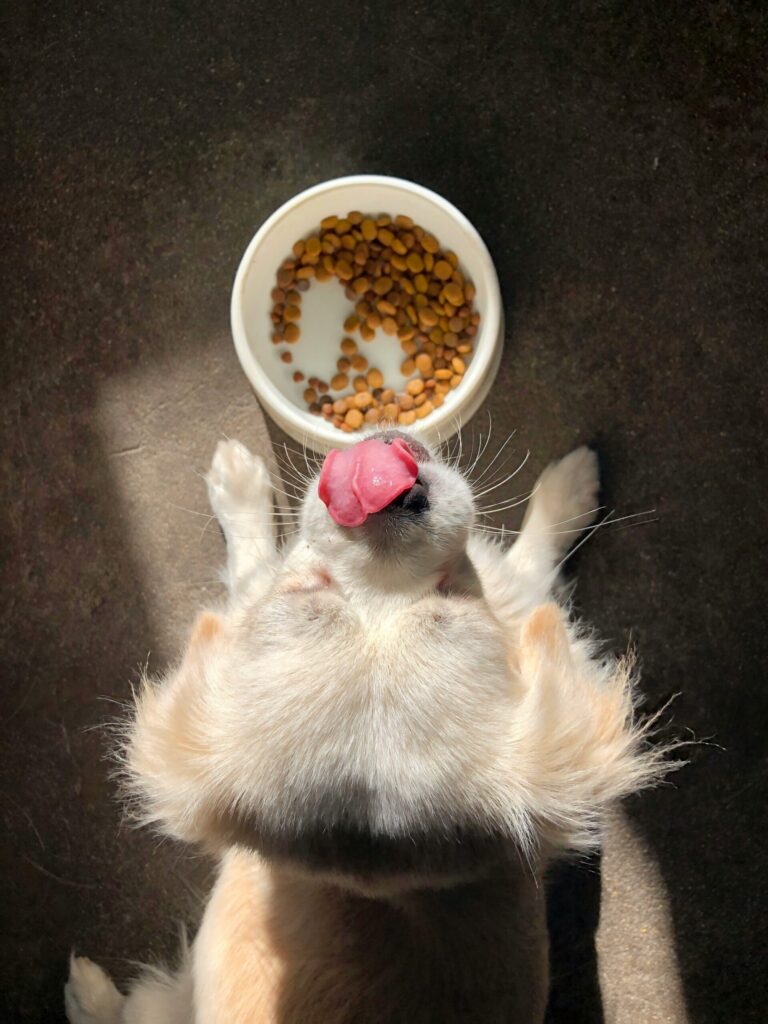
Pet food is one of the most emotionally charged topics in animal care. Between ingredient lists, marketing buzzwords, social media posts, and well intending advice from friends who “read something once,” it’s easy to feel like you’re constantly one choice away from harming your pet, even when you’re trying your best.This article isn’t here to tell you there’s one right diet. It’s here to clear up some of the most common pet food myths so you can make informed decisions from a place of understanding, not overwhelm.
Myth #1: “If it sounds bad, it must be bad” Words like by-products, fillers, or meal often trigger alarm but ingredient names don’t always mean what we think they mean. Pet food ingredients are listed by regulatory definitions, not marketing language. Some ingredients that sound unappealing to humans may actually be:
- Nutrient-dense
- Highly digestible
- Carefully processed for safety and balance
What matters more than a single ingredient is whether the food is complete, balanced, and appropriate for your individual pet.
Myth #2: “Grain-free automatically means healthier” Grain-free diets are often assumed to be better simply because they exclude grains, and the internet told us grains were bad for our pets. In reality, grains aren’t inherently harmful to most pets, and removing them doesn’t automatically improve health. Some pets do benefit from specific dietary changes but those decisions should be based on medical needs, not trends or internet recommendations.
(We’ll go deeper into grain-free diets in a separate post.)
Myth #3: “Raw is more natural, so it must be better”
Raw diets are frequently framed as being what pets were meant to eat, but modern pets are not wolves or wild cats and modern nutrition is more complex than that. Raw feeding can work for some households, but it also comes with real risks and responsibilities, including:
- Nutritional imbalance
- Food safety concerns
- Increased handling requirements
Like any diet choice, raw feeding isn’t inherently good or bad, it’s context dependent.
(This is another topic we’ll break down in more detail elsewhere.)
Myth #4: “Expensive food = better food” Price is not a reliable indicator of quality. Some higher cost foods reflect:
- Smaller production scale
- Marketing costs
- Boutique branding
Meanwhile, some affordable foods are backed by extensive research, quality control, and long-term feeding trials. Quality comes from formulation, testing, and consistency, not just the price tag.
Myth #5: “If something worked for one pet, it should work for yours”
Pet nutrition is not one-size-fits-all. Age, size, medical history, activity level, and even lifestyle all influence what works best. What helped one dog’s skin or one cat’s digestion may not translate to another animal, even within the same household or family.So how should you think about pet food?Instead of asking:
- Is this food good or bad?
Try asking:
- Is this food complete and balanced?
- Is it appropriate for my pet’s life stage and health?
- Is my pet doing well on it over time?
Consistency, monitoring, and flexibility matter more than chasing the perfect ingredient list – which may never exist.
The Bottom Line
Pet food myths thrive on fear, certainty, and oversimplification. Real nutrition is quieter and often much less dramatic than the internet makes it seem. You don’t need to panic every time a headline or post goes viral. You need reliable information, context, and permission to choose what works for your pet. Nutrition decisions should feel thoughtful, not terrifying.