
Care Explained
What common tests, procedures, and treatments actually involve in plain language
Veterinary care often comes with unfamiliar terms and quick explanations, especially when a pet is sick or stressed. Even when recommendations do make sense, it’s not always clear what they actually involve – what will happen, what comes next and probably most important to you, what your pet will experience. This post is here to slow things down. No jargon, no assumptions. Just a clearer picture of what common veterinary care really looks like in practice.
What Tests Usually Mean
When veterinarians recommend tests, they’re usually trying to gather information safely and efficiently, not to complicate things.
Bloodwork
Bloodwork involves a small blood sample, usually taken from a leg or neck vein. Most pets tolerate it very well and it’s over quickly. This sample typically can be done in the exam room with you present, though some clinic policies vary of course.
Blood tests help assess things like:
- Organ function (liver, kidneys)
- Signs of infection or inflammation
- Hydration and electrolyte balance
- Blood cell counts (red blood cells, white blood cells), platelet count
Results can guide treatment decisions or confirm whether a pet is stable.
Urine and fecal tests
These tests analyze what your pet’s body is eliminating. Urine can be collected freely as your pet voids, or can be collected through a simple procedure called a cystocentesis. Sometimes you may also be asked to bring a fresh fecal sample along with you to your pet’s appointment.
- Urine tests often help assess kidney health, function, hydration, or urinary issues.
- Fecal tests check for parasites or abnormal digestion.
They’re common, non-invasive, and often provide very specific answers.
Imaging (X-rays and ultrasound)
Imaging lets the veterinary team look inside the body.
- X-rays show bones, organs, and general abdominal structures
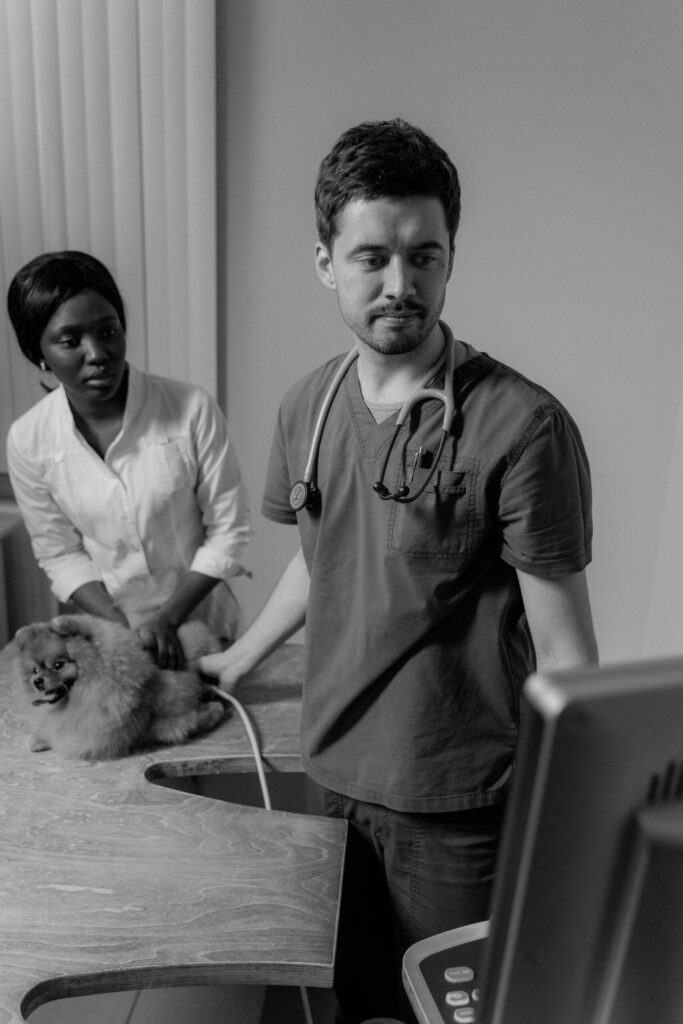
- Ultrasound offers a more detailed look at organs and soft tissues.
Some imaging can be done with gentle restraint; other times light sedation is used to keep pets comfortable and still since we cannot communicate with them to lie still.
What Procedures Actually Involve
Procedures can sound intimidating, but many are routine and focused on comfort and safety.
Sedation and anesthesia
Sedation is used to reduce stress and movement for certain tests or treatments. Anesthesia is deeper and used for surgeries or painful procedures. Before either is given, veterinarians assess your pet’s health to minimize risk and monitor closely throughout.
Minor procedures
Things like wound care, fluid therapy, or sampling masses are often quick and performed with pain control aids if necessary. Many are outpatient and don’t require overnight stays. Your care team’s goal is always to balance effectiveness with comfort.
What Treatments Are Meant to Feel Like
Treatment isn’t just about fixing a problem, it’s also about supporting your pet while their body heals.
Medications
Medications may treat infection, reduce pain or inflammation, control nausea, or support organ function. Some work quickly; others take time and consistency. If something isn’t working or seems to cause side effects, that’s important information, adjustments are common and expected and not every medication works for every pet.
Supportive care
Supportive care can include fluids, rest, diet changes, or monitoring at home. These measures often make a significant difference, even when a diagnosis is still being clarified. Sometimes supportive care is the treatment.
What Recovery and Monitoring Look Like
Not all care ends when you leave the clinic. Many plans include:
- Watching for changes at home
- Follow-up testing
- Recheck appointments
- Gradual adjustments to treatment
This doesn’t mean something is going wrong, it often means care is being tailored as more information becomes available.
What You’re Allowed to Ask
You don’t need to understand everything immediately. Clear communication is a big part of good care.
Helpful questions include:
- What will this involve for my pet today?
- Will this be uncomfortable, and how is pain managed?
- What should I expect after we go home?
- What signs mean I should call or come back?
Asking these questions doesn’t slow things down, it helps ensure everyone is on the same page.
A Final Thought
Veterinary care can feel overwhelming when it’s unfamiliar. Understanding what tests, procedures, and treatments actually involve can ease anxiety and make decisions feel more manageable. Care works best when it’s transparent, compassionate, and collaborative – and when you feel informed, not rushed.